
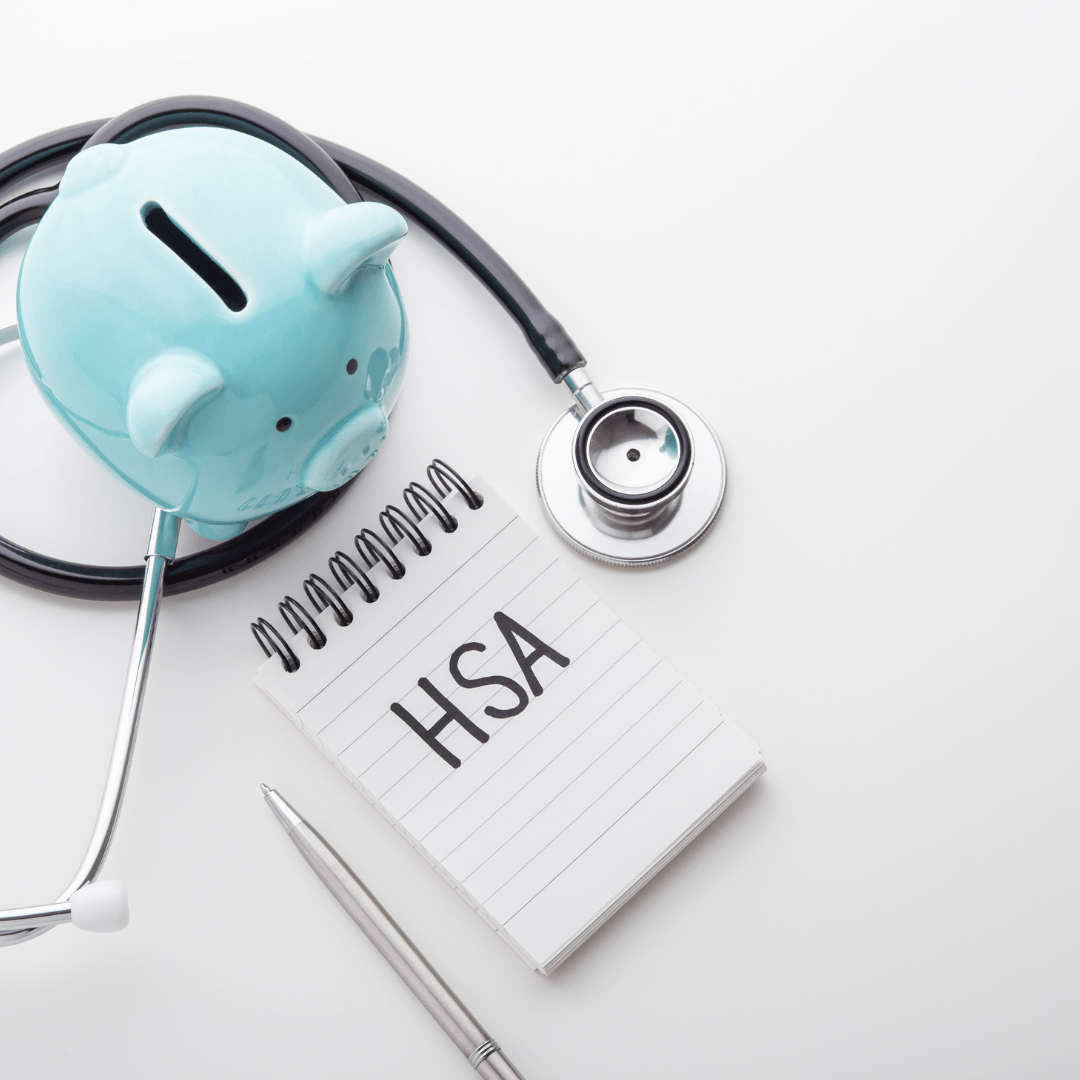

If you have ever looked at your paycheck, noticed an HSA deduction, and wondered whether you are really using it the “right” way, you are not alone. For many employees, a Health Savings Account feels like just another benefits line item — easy to overlook and hard to understand.
In reality, an HSA can be much more than a place to park money for doctor visits. When used intentionally, it can play an important role in both managing healthcare costs today and supporting long-term financial goals. Understanding how HSAs work is the first step.
What an HSA Is — and What It Isn’t
An HSA is a financial account, not an insurance product. To be eligible to open and contribute to an HSA, you must be enrolled in a qualified High Deductible Health Plan (HDHP).
Many employers encourage participation by offering matching or seed contributions, which can accelerate savings and make HSAs more appealing as part of a broader benefits package.
Before diving into how HSAs can be used over time, it helps to clear up some common confusion.
Navigating the Employee Benefits “Alphabet Soup”
HSAs are often lumped together with other workplace benefits, especially Flexible Spending Accounts (FSAs). While they may sound similar, they function very differently.
- FSAs typically require funds to be spent within the plan year, with unused balances potentially forfeited.
- HSAs allow balances to roll over indefinitely.
- HSA funds are portable, meaning the account stays with you even if you change jobs or retire.
These differences matter, particularly for employees thinking beyond the current year and planning for future healthcare needs.
Thinking Long Term: HSAs Beyond Today’s Medical Bills
Once the structural differences are clear, the long-term potential of an HSA becomes easier to appreciate. In addition to paying for current medical expenses, many HSAs allow participants to invest their account balances after meeting a required cash minimum.
Because healthcare expenses often increase later in life, some individuals view HSAs as a dedicated way to prepare for those costs in retirement. While an HSA is not a replacement for traditional retirement accounts, it can complement them by earmarking funds specifically for healthcare-related spending.
The Tax Advantages That Make HSAs Stand Out
One reason HSAs receive so much attention in financial planning conversations is their unique tax treatment.
- Contributions made through payroll may avoid federal income tax and FICA taxes.
- Investment growth is tax-deferred.
- Withdrawals used for qualified medical expenses are generally tax-free.
This combination is uncommon and can make HSAs especially attractive for individuals who are able to cover near-term medical costs out of pocket while allowing their HSA balances to grow. As with all investing, risk is involved, and maintaining sufficient cash for expected healthcare expenses remains important.
Why Healthcare Price Transparency Matters
Understanding the long-term value of an HSA often changes how people approach healthcare spending. When individuals see their HSA as part of a bigger financial picture, they are more likely to ask questions, compare prices, and avoid unnecessary costs.
Even routine healthcare decisions — such as choosing where a service is performed — can meaningfully affect out-of-pocket expenses. Over time, these decisions can help preserve HSA balances for future needs.
Women, Healthcare Costs, and HSAs
Healthcare spending patterns are not uniform, and gender-based differences are particularly noticeable. Analysis of medical claims data shows that women, on average, incur higher out-of-pocket healthcare costs than men — especially during childbearing and family-formation years.
When focusing specifically on deductibles, copays, and coinsurance, the gap is widest for women between the ages of 25 and 42, with the peak occurring in the early to mid-30s.
Choosing the Right Plan at Different Life Stages
These spending patterns make health plan selection especially important. For some women, a higher-premium plan with a lower deductible may be worth considering during years of higher expected healthcare usage. For others, a lower-premium, HSA-eligible plan may still make sense.
After family-formation years, some individuals find it advantageous to return to an HSA-eligible plan and resume building long-term balances. When a high-deductible plan is the only option available, thoughtful provider selection and price comparison can be particularly valuable.
Becoming a More Engaged Healthcare Consumer
Being an informed healthcare consumer takes effort, but the payoff can be significant. For HSA owners, recognizing that overspending on routine care may affect future financial flexibility — including retirement readiness — can be a powerful incentive to stay engaged.
Small decisions, made consistently, can have lasting financial effects.
The statements and opinions expressed in this article are for general informational purposes only and are not intended to provide specific financial, tax, or investment advice. Views expressed are subject to change without notice. Individuals should consult a qualified financial advisor regarding their personal situation before making financial decisions.
Advisory services offered through Willow Partner Advisors, LLC, an SEC-registered investment advisers. Past performance or examples are not guarantees of future results.